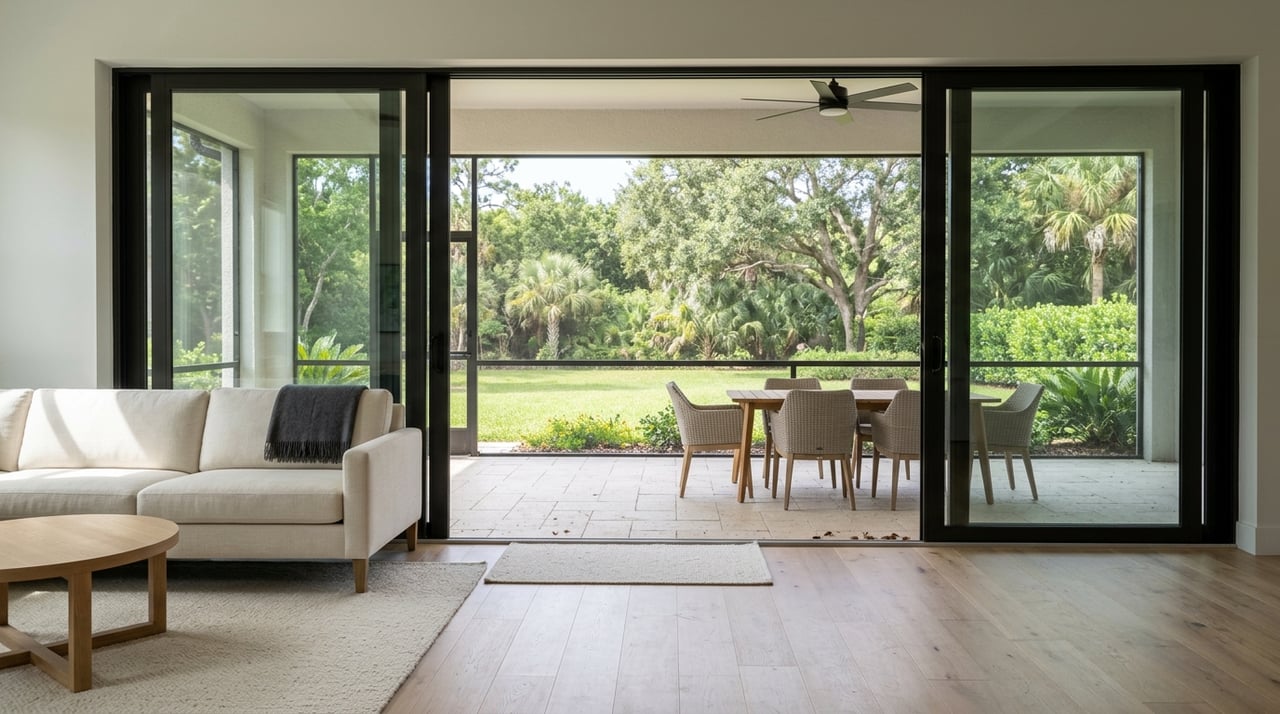
Dreaming about a place where you can spend winter mornings on the water and still keep your options open for personal use or future rental income? Buying a vacation home in Crystal River can be exciting, but it also comes with some market-specific questions that are easy to miss if you are not looking closely. In this guide, you will learn what matters most in Crystal River, from flood zones and taxes to rental rules and seasonal timing. Let’s dive in.
Why Crystal River attracts vacation-home buyers
Crystal River stands out because life here is closely tied to the water. The city is centered on Kings Bay and a six-mile waterway fed by springs, with access points for boating, kayaking, and other outdoor activities. For many buyers, that means the home search starts with lifestyle needs first.
In this market, you may find yourself choosing between three broad paths: waterfront property, water-access property, or an inland home with a lower-maintenance setup. That choice often matters more than architectural style because access, flood exposure, and intended use can shape both your enjoyment and your long-term costs.
Seasonality also plays a big role. Crystal River sees strong interest during manatee season, which runs from November 15 through March 31 at Crystal River National Wildlife Refuge. The city also notes that tourism rises when cooler Gulf temperatures bring manatees into the area.
Start with your vacation-home goals
Before you tour homes, get clear on how you want to use the property. A vacation home that is mainly for your own seasonal escapes may lead you toward one type of purchase, while a home you hope to rent at times may require a much tighter review of zoning, taxes, and city rules.
Ask yourself a few practical questions:
- Will you use the home only part of the year?
- Do you want direct water access or is nearby public access enough?
- Are you hoping for occasional rental income?
- Do you want a house, condo, or a lot for future plans?
- How much maintenance are you comfortable managing from a distance?
These answers can save you time and help you narrow your search to properties that truly fit your goals.
Budget for more than the mortgage
Vacation-home buyers sometimes focus heavily on purchase price and underestimate the ongoing cost of ownership. In Crystal River, your monthly and annual budget should include much more than principal and interest.
A full ownership budget can include:
- Property taxes
- Homeowner’s insurance
- Flood insurance
- Mortgage insurance, if applicable
- HOA fees, if applicable
- Utilities
- Maintenance and repairs
- Furnishings and setup costs
Closing costs matter too. The CFPB notes that closing costs are typically about 2% to 5% of the purchase price, so it is smart to build that into your cash planning early.
Understand second-home tax treatment
One of the biggest budgeting differences with a vacation home in Florida is tax treatment. A second home does not qualify for Florida’s homestead exemption because homestead applies to a permanent residence.
Citrus County identifies second homes and vacation homes as non-homestead properties. That matters because non-homestead property is treated differently for assessment purposes, and a home is reassessed at market value when it sells.
If the property keeps the same ownership and there is no new construction or lot split or combination, non-homestead properties have a 10% annual assessment cap. That is different from homesteaded property, which has a lower cap tied to 3% or CPI.
You should also review the tax bill carefully. In Citrus County, the bill can include non-ad valorem assessments such as stormwater, fire and rescue, solid waste, lighting districts, MSBUs, and PACE-related assessments.
Know the Citrus County tax calendar
Timing matters after you close. Citrus County property tax bills become payable on November 1 and offer early-payment discounts before the March 31 due date. If they are unpaid by April 1, they become delinquent.
That may sound simple, but it is especially important for second-home owners who do not live in the property full time. If you plan to own from out of town, have a clear system for tracking tax deadlines and any recurring property expenses.
Flood risk is a major Crystal River issue
In Crystal River, flood review is not just a box to check. The city says nearly all property in the city is in a FEMA Special Flood Hazard Area, which means flood risk should be part of your decision from the beginning.
This affects both cost and future planning. Standard homeowners insurance does not cover flood damage, and flood insurance is generally required in these areas if you have a mortgage.
The city also states that new development must be elevated one foot above the minimum base flood elevation. On top of that, substantial damage or major renovations can trigger compliance with current flood-code requirements.
That means a home that seems like a bargain may carry added costs later if you plan to renovate, expand, or make major repairs. Written insurance quotes and a close review of flood-zone details are essential before you commit.
Think carefully about rental plans
If rental income is part of your plan, do not wait until after closing to check the rules. In Crystal River, rental legality can depend on the specific parcel, whether the property is inside city limits, and how the property is zoned.
Florida taxes many short-term stays. The Florida Department of Revenue says rentals of living or sleeping accommodations for six months or less are subject to state sales tax plus any applicable local transient rental tax, and owners who rent short-term accommodations must register to collect sales tax.
For Citrus County, the current rate structure means taxable short-term rentals face:
- 6% state sales tax
- 5% local option transient rental tax
- 0.0% county discretionary sales surtax
Those numbers matter for your income projections, but local use rules matter even more.
Crystal River city rules can be stricter
Inside Crystal River city limits, the current code is more restrictive for resort housing. According to the city’s current code, resort housing units are allowed only on properties that were zoned CW before the code change that took effect January 9, 2025.
The city also states that nightly rentals or rentals of less than one week are not permitted, and the manager must have an occupational license. In addition, businesses operating in the city need a business tax receipt, with renewal season running from July 1 through September 30 and expiration on September 30.
This is why parcel-by-parcel verification matters so much. A property in Crystal River city limits may operate under different rules than a property elsewhere in Citrus County.
Public water access may expand your options
You do not always need private waterfront to enjoy the Crystal River lifestyle. The city operates two boat ramps and kayak launches at Hunter Springs and Kings Bay Park, with launch fees at the meters.
For some buyers, that opens the door to inland or water-access homes that may better fit their budget or maintenance preferences. If your goal is regular recreation rather than private dock ownership, public launch access can make a broader set of homes worth considering.
Time your search with local seasons
Crystal River has two seasonal patterns that can affect your purchase decision. The first is winter activity tied to manatee season, when tourism and local interest tend to rise. The second is Atlantic hurricane season, which runs from June 1 through November 30.
For buyers, this means timing can affect everything from insurance quotes to inspection planning. If you are shopping for a vacation home, it is smart to think about both peak-use season and storm-season exposure as you plan tours, due diligence, and closing dates.
A smart vacation-home checklist
Before you move forward on any property, use a checklist that reflects Crystal River’s local realities. A little extra diligence up front can help you avoid expensive surprises later.
Here is a practical checklist for buying a vacation home in Crystal River:
- Confirm the flood zone and any elevation requirements
- Get written homeowner’s insurance and flood insurance quotes
- Verify whether the parcel can legally be used as a short-term rental
- Check whether the property is inside Crystal River city limits
- Review HOA or condo rules and any management restrictions
- Review current tax bills for non-ad valorem assessments
- Check for possible PACE-related assessments on the tax bill
- Budget for maintenance, utilities, furnishings, and repairs
- Plan for closing costs, which are typically about 2% to 5% of purchase price
Why local guidance matters
Buying a vacation home in Crystal River is not just about finding a pretty house near the water. You also need to understand floodplain issues, second-home tax treatment, seasonal patterns, and local rental restrictions that can vary by parcel.
That is where local, on-the-ground guidance can make a real difference. When you have a clear picture of how you want to use the home and what the property allows, you can shop with more confidence and avoid costly detours.
If you are thinking about buying a vacation home in Crystal River, Tamara Myers can help you evaluate the right fit across Citrus County with practical local insight and a steady, service-first approach.
FAQs
What makes buying a vacation home in Crystal River different?
- Crystal River is a water-centered market where flood risk, water access, and rental rules often matter as much as the home itself.
Do vacation homes in Crystal River qualify for homestead exemption?
- No. Citrus County identifies second homes and vacation homes as non-homestead properties, so they do not qualify for homestead exemption.
Do I need flood insurance for a vacation home in Crystal River?
- If the property is in a Special Flood Hazard Area and you have a mortgage, flood insurance is generally required, and standard homeowners insurance does not cover flood damage.
Can I use a Crystal River vacation home as a short-term rental?
- It depends on the parcel location and zoning, and properties inside Crystal River city limits may face stricter rules, including limits on rentals of less than one week.
What taxes apply to short-term vacation rentals in Citrus County?
- Taxable short-term rentals in Citrus County face 6% state sales tax plus a 5% local option transient rental tax, with no county discretionary sales surtax added.
What should I check before buying a waterfront or water-access home in Crystal River?
- You should confirm the flood zone, review elevation requirements, get written insurance quotes, and verify any intended rental use before closing.