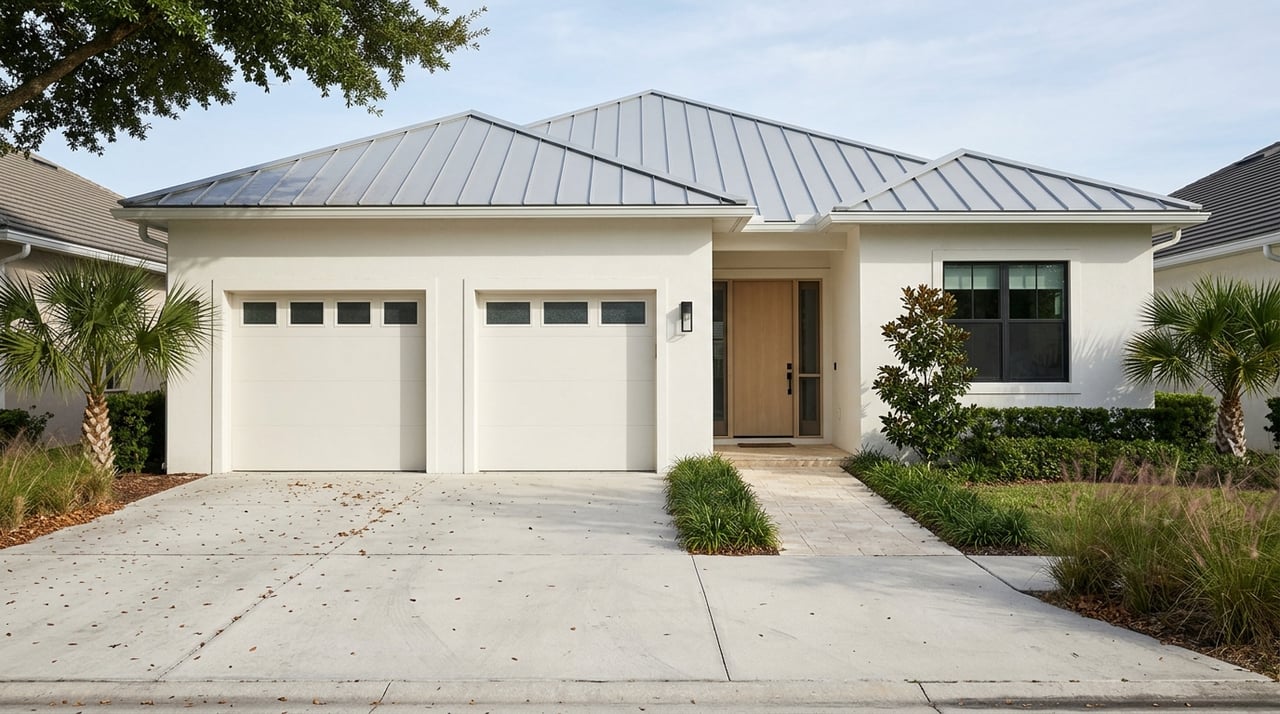
Wondering why two homes in The Villages can have very different monthly and annual costs, even when they seem similar at first glance? That question catches many buyers off guard, especially if you are relocating and trying to compare communities in Central Florida. The good news is that once you understand how amenities, district fees, and assessments work, you can budget with much more confidence. Let’s break it down.
The Villages has layered costs
The Villages is a large 55+ active-adult community with more than 70,000 households, and it is organized through more than 25 community development districts under Florida Chapter 190. For buyers, that structure matters because ownership costs usually include more than just a mortgage, taxes, and insurance.
In most cases, you should expect a mix of recurring charges. These often include a monthly amenity fee, monthly utility and sanitation charges, and annual bond and maintenance assessments that appear on the county tax bill. Looking at only the list price can leave out an important part of the real cost of ownership.
What the monthly amenity fee means
The Villages currently advertises a $204 monthly amenity fee for Villagers. The Lofts at Brownwood lists a separate $189 monthly amenity fee. Published estimates are subject to change, so buyers should always confirm the current amount for the specific property they are considering.
The adjustment schedule can also vary. The District notes that amenity fees may be adjusted either every year or every three years, depending on deed restrictions and CPI timing tied to the original land sale date or contract date. That means two homes may not follow the exact same timing for future fee changes.
What the amenity fee typically covers
The amenity fee helps support many of the lifestyle features that make The Villages well known. According to community and district information, that fee commonly covers recreation centers, neighborhood pools, executive golf courses, sports fields, parks, fishing areas, dog parks, trails, resident activities and clubs, and community watch services.
The fee also supports shared-area upkeep. District information says amenity dollars are used for landscaping in recreation and common areas, water retention areas, gates, postal facility maintenance, and recreation programming. In other words, the fee is not just about fun amenities. It also supports day-to-day operations across the community.
Why location can still matter
The Villages notes that the community has more than 100 recreation centers. That helps explain why value is not only about the dollar amount of the amenity fee, but also about how close you are to the places you expect to use most.
Governance also varies by area. North of County Road 466, the Amenity Authority Committee advises on amenity matters, but it states it cannot create disparate services north and south of CR 466. So while buyers may see differences in district membership, governance, and assessments, they should not assume a completely different amenity model based only on which side of CR 466 a home is on.
Golf costs are not all the same
Golf is one of the biggest lifestyle draws in The Villages, but it helps to know that not every golf-related cost is included in the same way. Residents can play executive courses without paying a greens fee, which is a major benefit tied to the amenity-supported system.
That said, using your personal golf car on executive-course trails requires a separate trail pass. Current district pricing lists trail-pass options at $21.77 for 1 month, $107.77 for 6 months, and $143.70 for 12 months, before tax.
There is also a difference between executive and championship golf. District information says the executive trail courses are owned and operated by the CDDs and supported by resident amenity fees, while championship courses and the Golf Academy are owned and operated by the developer. If golf is a big part of your plan, you will want to ask exactly which costs apply to the way you expect to play.
Other monthly bills to expect
The amenity fee is only one part of your monthly budget. The Villages' cost-of-living framework includes trash collection, sewer, water, gas or electric, insurance, and taxes, along with a Development District Assessment labeled bond + maintenance + fire.
The same cost framework also says estimates do not include some common household services. High-speed internet, lawn care, pest control, and other contracted services may need to be added separately. That is one reason monthly ownership costs can vary quite a bit from one buyer to another.
Some charges continue even if the home is vacant
This point is especially important for seasonal owners or buyers planning extended travel. District information states that sanitation fees, along with amenity, water and sewer, and irrigation fees, are year-round charges regardless of whether the property is occupied.
If you are buying a home that may sit vacant part of the year, build those recurring bills into your budget from the start. A part-time occupancy plan does not mean part-time district billing.
Annual district assessments can change the numbers
One of the biggest areas of confusion for buyers is the annual district assessment structure. On the district side, maintenance assessments are billed annually on the county tax bill in the non-ad valorem section.
Bond special assessments are also annual tax-bill charges. These repay infrastructure bonds used to build roads, tunnels, multi-modal paths, water conveyance systems, storage systems, and related improvements.
Bond assessments may still be outstanding
Some homes in The Villages still carry a bond assessment, while others may have that bond fully paid off. The District says homeowners can prepay the bond if they want to remove it from future tax bills.
That makes bond status a key due-diligence item before you make an offer. Two homes with similar prices can have different long-term carrying costs if one still has a bond balance and the other does not.
Maintenance assessments are not one-size-fits-all
Maintenance assessments are not identical across every home. According to the District, each unit's maintenance assessment is calculated using the unit's assessable acreage and lot count.
That means neighboring homes can have different annual district charges, even within the same broader area. If you are comparing properties, ask for the exact annual maintenance amount on each address rather than estimating based on a nearby listing.
Optional and usage-based fees to know
Some district charges are optional or based on use. For example, RV storage spaces currently range from $42 to $59 per month plus tax.
The House Check Program is another example. District information lists this service at $6.42 per week for residents who will be away for more than seven days. These may not apply to every buyer, but they are helpful to know if they fit your lifestyle.
Rules can affect value and fit
The Villages uses Community Standards to manage architectural review and deed compliance. Homes are protected by a Declaration of Restrictions, and owners must submit an Architectural Review Application for exterior changes.
District information says violations can lead to fines and other legal remedies, including injunctions and liens. For buyers, that means the community may feel HOA-like in practice, even though the structure is based on special districts rather than a traditional homeowners association.
Age and guest rules matter too
The Villages describes itself as a 55+ community where at least one household member must be 55, and no full-time resident may be younger than 19. Visitor rules also apply.
According to community information, visitors under 18 are limited to 30 days in a calendar year. Guests whose home address is outside Lake, Sumter, and Marion counties need a Guest ID for selected amenity-supported recreational facilities.
These rules do not make one home better than another, but they can absolutely affect whether a property fits the way you plan to live, host family, or use the home seasonally.
Questions to ask before you buy
Before writing an offer in The Villages, it helps to get specific answers tied to the exact address. A clear fee review can prevent surprises later.
Ask these questions during your home search:
- What is the current monthly amenity fee for this property?
- Does the amenity fee for this address adjust annually or every three years?
- Is there a remaining bond assessment, and what is the payoff amount?
- Can the bond be prepaid before closing?
- What is the annual maintenance assessment for this specific unit?
- Why does this home's maintenance assessment differ from nearby properties, if it does?
- What monthly utility, sanitation, and irrigation charges apply to this home?
- Which year-round charges continue even if the property is vacant?
- If golf is part of your plan, will you need a trail pass for golf-car use?
- Will separate fees apply for championship golf?
- Which deed restrictions, ARC approval requirements, guest-ID rules, and occupancy rules apply to this property?
The bottom line for buyers
The best way to evaluate a home in The Villages is to think beyond the purchase price. This is a layered-cost community, and your real budget should include the amenity fee, district assessments, utilities, insurance, taxes, and any optional lifestyle-related charges that matter to you.
When you understand those pieces up front, it becomes much easier to compare homes fairly and choose one that fits both your lifestyle and your finances. If you want help sorting through The Villages fees, bond questions, and neighborhood-level differences in Central Florida, Tamara Myers can help you move forward with clarity.
FAQs
What does the amenity fee in The Villages usually cover?
- The monthly amenity fee typically supports recreation centers, neighborhood pools, executive golf courses, parks, trails, dog parks, resident activities and clubs, landscaping in shared areas, and services such as Community Watch.
Are bond assessments still common in The Villages homes?
- Some homes still have bond assessments and some do not, so you should confirm whether the specific property has a remaining balance, what the payoff amount is, and whether it can be prepaid.
Why do district maintenance assessments differ between homes in The Villages?
- The District says maintenance assessments are based on each unit's assessable acreage and lot count, which is why nearby homes can have different annual charges.
Do you still pay fees in The Villages if the home is vacant part of the year?
- Yes. District information says sanitation, amenity, water and sewer, and irrigation fees are year-round charges even if the property is not occupied.
Is golf fully included with The Villages amenity fee?
- Not entirely. Executive-course play does not require a greens fee for residents, but a separate trail pass is required if you use a personal golf car on executive-course trails, and championship golf has separate costs.
What rules should buyers review before purchasing in The Villages?
- Buyers should review the Declaration of Restrictions, architectural review requirements for exterior changes, age and occupancy rules, guest-ID requirements for selected facilities, and any deed compliance standards tied to the property.