Trying to choose between a single-family home, a manufactured home, or a condo or villa in Homosassa? You have great options, but each one fits a different budget, lifestyle, and level of maintenance. If you understand the tradeoffs up front, you can save time, control costs, and buy with confidence. In this guide, you’ll compare the key differences, learn what to watch for locally, and get an easy checklist to move forward. Let’s dive in.
Homosassa market at a glance
Public data through early 2026 shows Homosassa’s median values landing roughly in the low to mid 300s, depending on the source and method. That spread comes from differences in what each dataset includes and whether it tracks list prices or closed sales. On the ground, you will see a wide range of options, from lower-cost manufactured homes to mid-range single-family and villa properties, plus higher-priced waterfront canal homes. Your final price will depend most on location, age and condition, flood risk, and whether you are buying into an HOA or on a private lot.
Home types in Homosassa
Single-family site-built homes
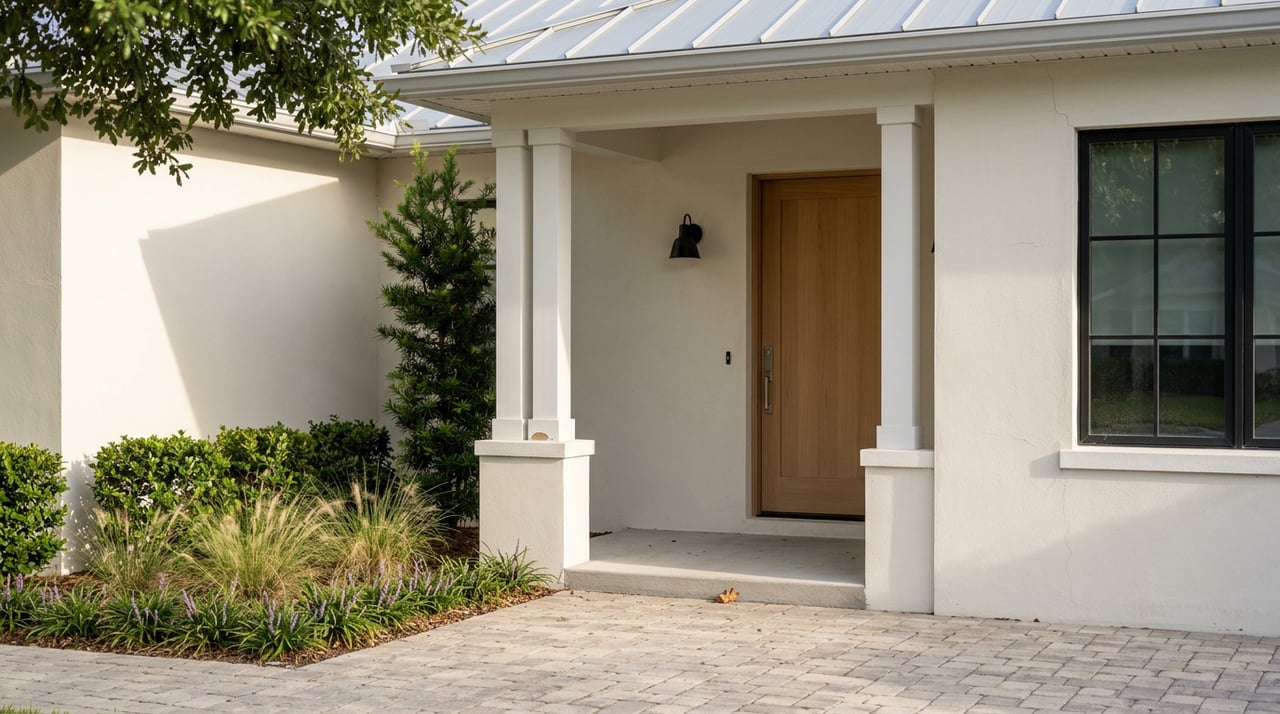
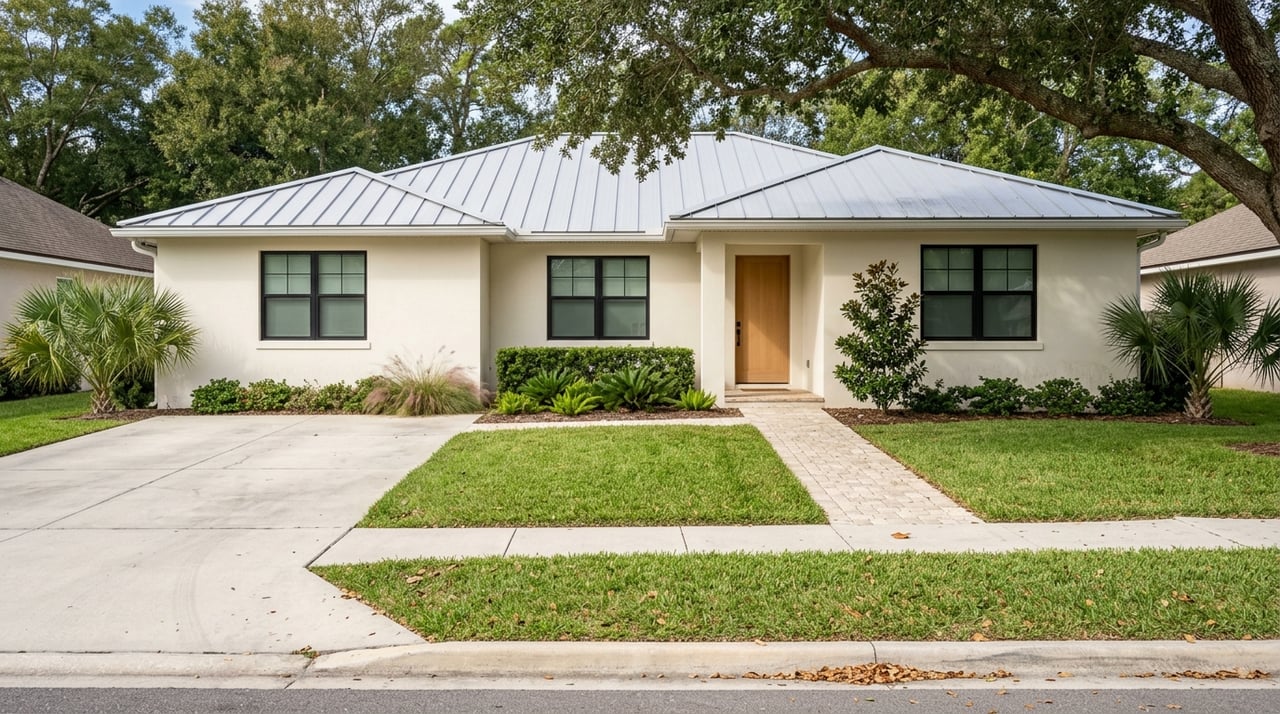
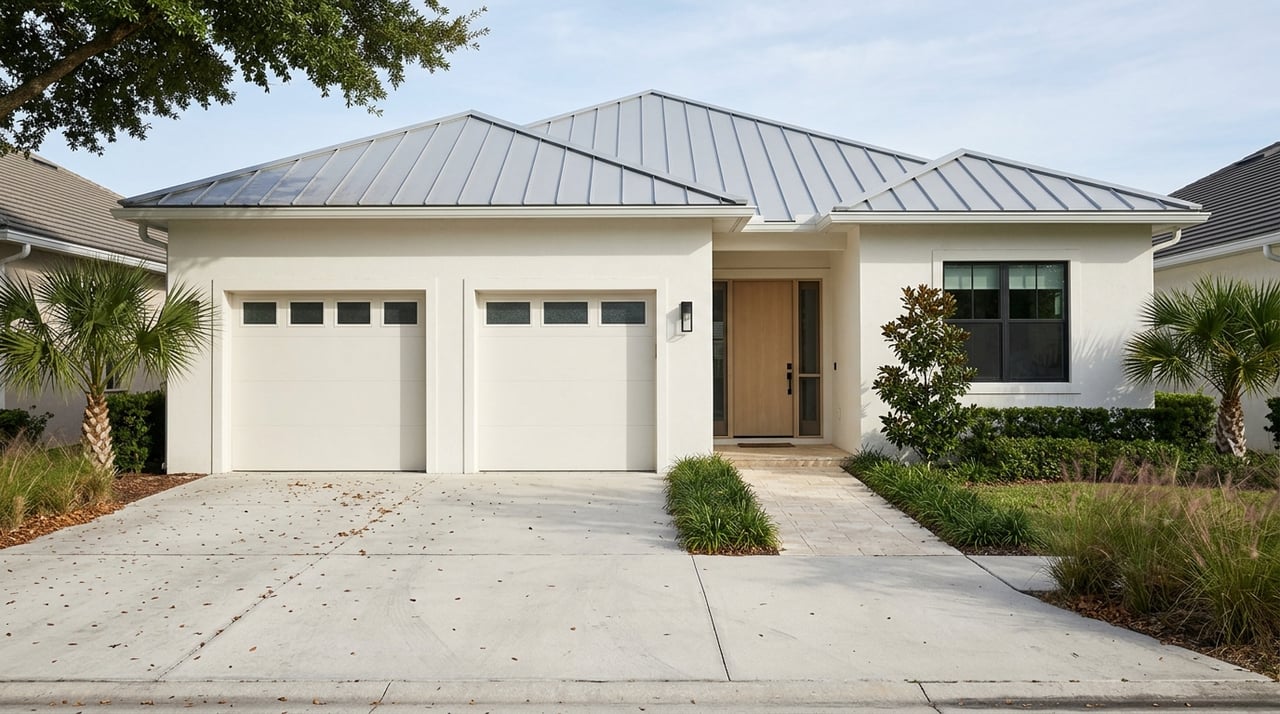
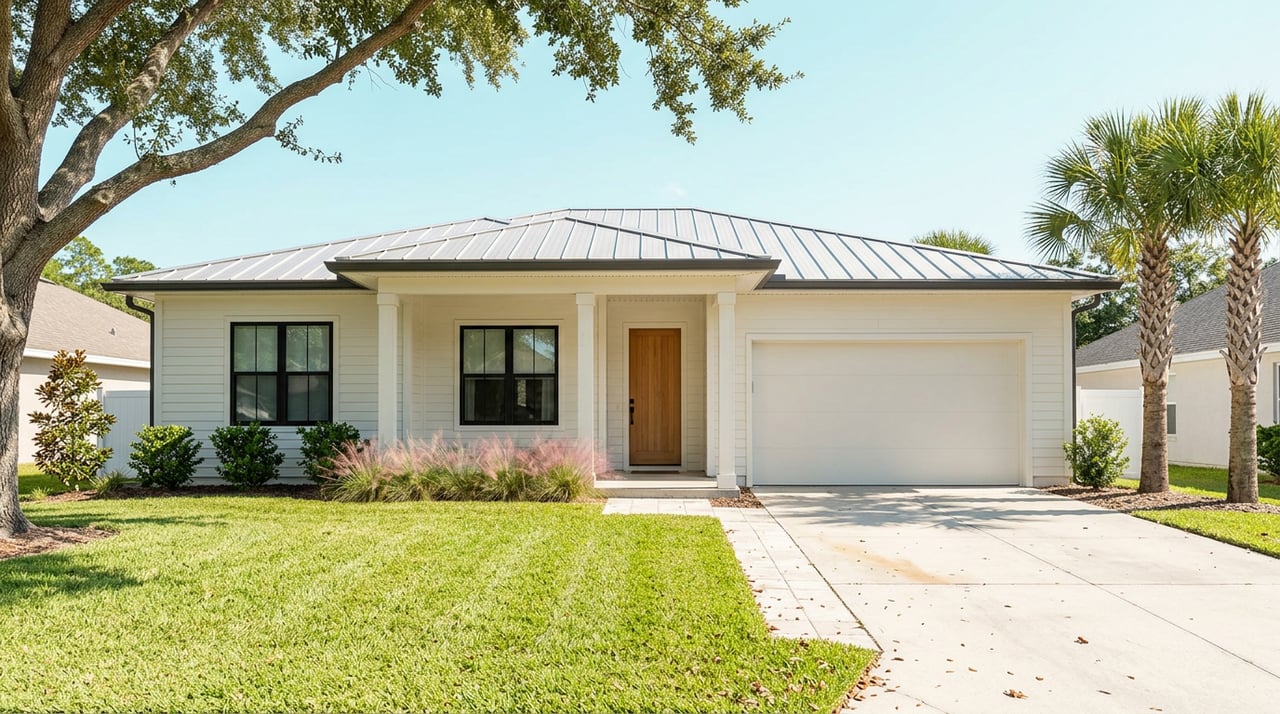
Site-built homes in Homosassa include inland ranch styles, elevated waterfront homes, and villas inside deed-restricted neighborhoods. You own the land outright, which can help with long-term equity and flexibility for improvements.
Pros
- Full land ownership and broad renovation flexibility.
- Wide access to common mortgage types.
- Strong long-term ownership control.
Cons
- Higher purchase price on average versus manufactured homes.
- You handle exterior upkeep unless an HOA covers some items.
- If near canals or the river, you may face flood risk and higher insurance.
Typical maintenance items
- Roof, HVAC, and pest/termite care on a Florida schedule.
- If on well and septic, plan for regular septic pumping and well maintenance.
Manufactured homes (HUD-code)
Manufactured homes are common across Citrus County and offer an affordable entry point. Your experience depends on whether you own the land and whether the home is permanently affixed and treated as real property under Florida rules.
What to know legally
- Florida requires licensed installers and an installation decal for mobile/manufactured homes. These details affect how the home is taxed and financed. See Florida Statutes for mobile home rules in Chapter 320.
- Learn about installation and classification in Florida Statutes Chapter 320: mobile home rules.
- If you will rent a lot in a park, Florida’s Chapter 723 sets tenant protections and disclosures for mobile home parks. Review it early if a park is on your list: mobile home park lot tenancies.
- Florida requires licensed installers and an installation decal for mobile/manufactured homes. These details affect how the home is taxed and financed. See Florida Statutes for mobile home rules in Chapter 320.
Financing basics
- Manufactured homes can be financed through FHA Title I or Title II programs, VA programs, or specialty lenders. The loan path depends on whether the home is real property or personal property, whether it has been moved, and whether HUD certification labels are intact. Start with the lender conversation early. See FHA program guidance: HUD single-family FHA info.
Pros
- Lower purchase price on average.
- Faster move-in in some cases and flexible lot options.
Cons
- Financing and insurance can be more complex than site-built homes.
- Older units may have higher maintenance and wind-related concerns.
- You must confirm tie-downs, installation, and skirting condition during inspection.
Condos and villas in HOAs
Homosassa includes villa and condo-style communities where an association handles exterior maintenance and shared amenities. The details matter, so review the governing documents before you write an offer.
How Florida treats these communities
- Condominiums are governed by Chapter 718: Florida Condominium Act.
- Most single-family and villa communities with common areas are governed by Chapter 720: Florida Homeowners’ Association Act.
Pros
- Lower day-to-day maintenance, since the association often covers exterior and grounds.
- Access to amenities like pools, tennis or pickleball, and clubhouses.
Cons
- Monthly assessments and potential special assessments. Always review reserves.
- Rules may limit rentals, pets, vehicles, or exterior changes.
- Clarify master policy vs. unit-owner insurance and any flood coverage needs.
Location and risk factors that shape your choice
Homosassa’s beauty comes with water, trees, and wildlife. That also means you should confirm a few key risks that affect cost and suitability.
Flood risk and insurance
- Check any address in FEMA’s Flood Map Service Center to see if a lender will require flood insurance and to understand the risk profile: FEMA Flood Map Service Center.
- Flood insurance is a separate policy from homeowners insurance. If a home is near canals or the Homosassa River, expect to review flood quotes.
Wells and septic systems
- Many Homosassa properties use private well water and septic systems. Ask for recent septic pump records and well flow tests, and plan for routine servicing.
Springs protection and potential septic upgrades
- Parcels near Homosassa and Chassahowitzka Springs sit within springs protection planning areas. Over time, Basin Management Action Plan work can influence septic upgrades or sewer extensions. Review public updates and confirm requirements for your parcel: Basin Management Action Plan materials.
Cost checklist beyond the price
Build a realistic budget across all home types by lining up these items during your inspection period.
Insurance
- Homeowners insurance in Florida often has a separate wind or hurricane deductible. Flood insurance is separate. Document roof age, wind mitigation features, and claims history to improve quotes. For general coverage context, see local guidance: homeowners insurance basics for Homosassa.
HOA or condo fees
- Ask for budgets, reserves, and recent meeting minutes. Clarify what fees cover and whether special assessments are planned.
Utilities and systems
- If you are off sewer and city water, budget for septic pumping and potential repairs, well equipment service, and water testing.
Maintenance
- Set aside funds for roof and HVAC over their expected lifespans. In Florida’s climate, regular pest and termite protection is common.
Quick pick guide
Use this simple filter to narrow your search fast.
- You want the lowest day-to-day upkeep: consider a condo or villa where the association handles exterior maintenance. Verify rules and reserves first.
- You want land ownership, flexibility, and broad financing options: target single-family site-built homes.
- You want maximum affordability and are open to a different loan path: explore manufactured homes, then confirm install status, financing, and insurance early.
- You want water access or canal living: focus on stilted or elevated single-family options and check flood maps and insurance quotes first.
Your Homosassa home-buying checklist
Follow this step-by-step checklist to compare apples to apples.
For every property
- Pull the FEMA flood map for the exact address and ask for any elevation certificate on file.
- Price out homeowners and flood insurance quotes.
- If on well and septic, request septic permits, pump dates, drainfield location, and a well flow test.
If buying a single-family home
- Order a full home inspection plus termite/pest inspection.
- Document roof age, HVAC age, and recent service.
- If in a deed-restricted area, review HOA documents and rules.
If buying a manufactured home
- Confirm HUD certification labels and the Florida installation decal. Learn how classification works under Chapter 320.
- Ask if the home is treated as real property or personal property and whether it has been moved.
- Speak with lenders about FHA Title I or Title II, VA, or specialty options. Start with HUD’s FHA programs.
- If the home is in a park with lot rent, review your rights under Chapter 723.
If buying a condo or villa
- Request the full resale package, bylaws, rules, budgets, reserve study, and recent meeting minutes.
- Confirm what the master policy covers vs. your HO-6 policy and whether the association carries flood coverage. Review rules under Chapter 718 for condominiums and Chapter 720 for HOAs.
Ready to compare your short list?
You do not have to make this decision alone. A local advisor can help you weigh flood maps, HOA reserves, manufactured home install status, and insurance quotes side by side so you choose the right fit with clarity. If you want a calm, step-by-step path to the best option in Homosassa, reach out to Tamara Myers for buyer representation across Citrus and neighboring counties.
FAQs
Are manufactured homes a good entry into Homosassa?
- Yes, they can improve affordability, but you should verify installation status, financing options like FHA Title I or II, and insurance availability before you commit.
Do many Homosassa homes use well and septic?
- Yes, many properties rely on private well water and septic systems, so plan for inspections, regular pumping, and well maintenance in your budget.
How do HOA and condo rules affect daily life?
- Rules can limit pets, rentals, vehicles, and exterior changes, so you should review bylaws, budgets, reserves, and meeting minutes before you make an offer.
Do I need flood insurance in Homosassa?
- If a lender flags your property in a Special Flood Hazard Area, flood insurance is usually required, and checking FEMA’s map is the fastest way to confirm.
What financing works for manufactured homes in Citrus County?
- Options often include FHA Title I or Title II, VA, or specialty lenders, and the path depends on real property classification, whether the home moved, and documentation.