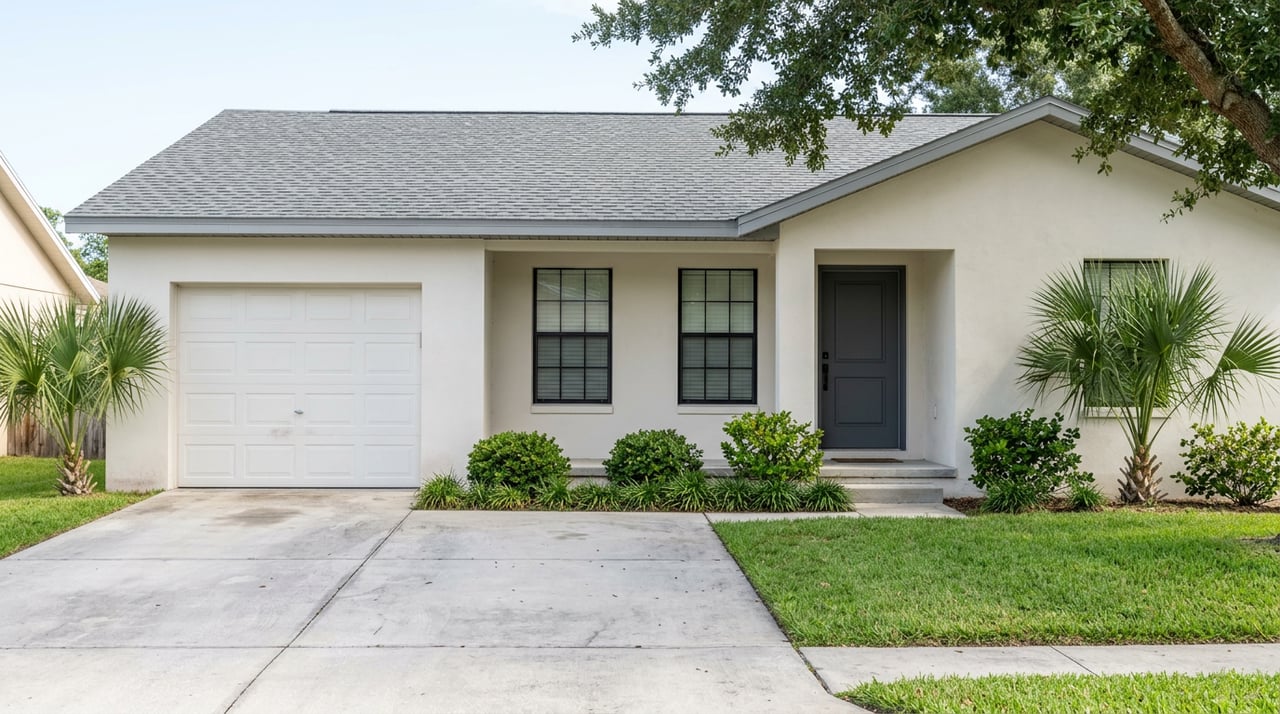
Torn between a brand‑new build and a lived‑in resale in Marion Oaks? You are not alone. Both paths can work well here, and the right choice comes down to timing, budget, maintenance comfort, and your wish list. In this guide, you will see how prices, timelines, warranties, inspections, and HOAs compare in Marion Oaks so you can choose with confidence. Let’s dive in.
Market snapshot in Marion Oaks
Early 2026 snapshots show a median sale price around the high $200Ks in Marion Oaks, with price per square foot hovering in the mid‑$160s to low $170s. Days on market has generally ranged from about 90 to just over 100 days depending on the month and data source. Inventory is sizable for the area, and a steady flow of new‑construction listings helps shape pricing and competition. Always use current MLS comps when you are ready to move.
New‑construction inventory is a meaningful factor here. Median list pricing for new homes has been roughly in the mid to high $200Ks, with move‑in ready and to‑be‑built options available. That means new builds can sometimes compete directly with resales on price, especially at the entry tier.
New construction: what you get in Marion Oaks
Pricing and active builders
You will find a range of builders and floor plans across Marion Oaks. For example, Maronda Homes publishes starting prices in the low $260Ks for select plans and highlights concrete‑block construction with popular finishes on many models. You can review current offerings on the Marion Oaks community page from Maronda Homes.
Highland Homes is also active and has promoted larger homesites in parts of Marion Oaks, including options around one acre. Their announcement helps show the variety here, from classic production lots to bigger, semi‑custom opportunities. See their update on now building in Marion Oaks.
Other regional builders and model centers operate in and around the community. Homes by Deltona, for example, showcases move‑in inventory and typical energy‑efficient features on its Marion Oaks model page. Specific pricing and inclusions vary by plan and lot, so have your agent request an itemized features list and a current site map.
Standard features and upgrades
Many local builders emphasize concrete‑block construction for durability. Common inclusions in base or “standard” packages can include tile or LVP flooring, granite or solid‑surface counters, stainless appliances, irrigation, and basic landscaping. Upgrades like premium flooring, expanded patios, screened enclosures, or a pool add to your final price. Always verify what is included versus optional on the specific plan you are considering.
HOAs, lots, and timelines
Marion Oaks contains multiple sub‑areas. Some pockets advertise no HOA or scattered homesites, while others carry HOA fees and amenities. Fees noted in listings around the area have ranged from modest monthly dues in certain sub‑phases to no dues at all in other sections. Confirm HOA, deed restrictions, and any CDD on the exact homesite before you sign.
Build timelines vary by product and stage. If you buy a completed spec home, your timeline can be short and predictable. If you contract a to‑be‑built home, expect several months from contract to completion. National summaries place average single‑unit build time near 9 to 10 months, though local permitting, weather, and builder backlog matter. For context, review this overview of build durations from SoFi’s summary of national data.
Resale homes: what to expect
Marion Oaks offers a wide mix of ages and lot sizes. You will see older ranch‑style homes from the 1980s and 1990s alongside very recent 2022 to 2026 builds. Many resale prices track the area median, with larger or acreage properties sitting above that. Use current MLS comps for a true apples‑to‑apples view based on size, condition, and location within the community.
Condition and inspections
Older resales may need repairs or updates. It is common to budget for items like HVAC, roof, or plumbing based on inspection results. In Florida, some older systems and materials can affect insurability and loan underwriting, so get a thorough home inspection and add specialty checks, such as a sewer scope, when appropriate.
A financed resale purchase typically moves from contract to close in about 30 to 45 days if the file is clean. That is a key advantage if you are on a tight move‑in schedule. For a benchmark on conventional loan timing, see this summary of closing timelines from Legal Clarity.
Warranties and inspections: key differences
New‑build protections
Most builders use a tiered warranty often summarized as 1‑2‑10. That usually means 1 year for workmanship and materials, 2 years for major systems like electrical, plumbing, and HVAC, and 10 years for major structural defects. Many builders use a third‑party administrator for the structural portion. You can learn how these programs are structured from 2‑10 Home Buyers Warranty.
Ask to review the full warranty booklet before closing. Confirm the effective date, claim process, response times, transferability, and any exclusions. Also confirm whether your builder allows independent inspections at key milestones, such as pre‑drywall and final walkthrough, and note deadlines to report items during your one‑year workmanship window.
Resale protections
On a resale, you do not receive a new‑home structural warranty, but you can purchase a third‑party home‑service or home‑warranty plan for certain systems and appliances. Read coverage limits and exclusions carefully so you understand what the plan does and does not cover.
New vs resale: quick comparison
| Factor | New Construction | Resale |
|---|---|---|
| Typical price position | Often near area median list pricing for new builds in the mid to high $200Ks as of early 2026; upgrades and lot premiums add cost | Varies by age, condition, and lot; many sales align near the area median, with larger or acreage homes higher |
| Lead time | Spec homes can be quick; to‑be‑built often several months to roughly 9 to 10 months on average per national context | Contract to close commonly about 30 to 45 days for financed purchases |
| Customization | Layout and finish choices available on to‑be‑built plans; limited options on spec homes | Limited to post‑purchase renovations; what you see is what you buy |
| Warranty | Tiered builder warranty, often 1‑2‑10, structural may be third‑party administered | No builder structural warranty; optional home‑service plans available |
| Inspection access | Builder‑permitted milestones plus final walkthrough and punch list | Full buyer inspections before closing |
| Maintenance in first 2 years | Lower expected maintenance; punch‑list items common in year one | Maintenance depends on age and condition; budget for repairs from inspection |
| HOA/CDD | Mixed across sub‑areas; some no HOA, others modest dues | Same, depends on the specific parcel and subdivision |
| Time to move in | Predictable for completed specs; longer for to‑be‑built | Typically fastest route if you need occupancy soon |
| Risk notes | Early‑year fixes handled via warranty; confirm flood, wind, and wildfire models and do not waive inspections | Condition risk managed via inspections and negotiation; confirm insurance eligibility early |
Which route fits you
Choose new construction if you want modern floor plans, energy‑efficient features, lower near‑term maintenance, and the peace of mind of a builder warranty. Be ready for a longer timeline if you are building to order, and plan for early punch‑list items.
Choose resale if you need faster occupancy, prefer established landscaping and streetscapes, or want room to negotiate on price and concessions based on inspection findings. Resales can also position you in a specific part of Marion Oaks that fits your plans without waiting for construction.
Investor snapshot: rents and yields
If you are running the numbers, local rent snapshots have shown median rents around 1,900 dollars per month against a median list price near 299,500 dollars. That quick math suggests a rough gross rental yield near 7.6 percent. Net yield will be lower once you account for property taxes, insurance, maintenance, management, and a vacancy reserve. A simple pro‑forma should include:
- Property taxes and insurance
- Property management and an 8 to 10 percent vacancy factor
- Routine maintenance and a capital expense reserve for big‑ticket items
- HOA dues if applicable
Run a conservative model and compare similar properties by age, size, and location within Marion Oaks.
How to choose with confidence in Marion Oaks
Use this short checklist to narrow your path and protect your budget:
- Confirm HOA, deed restrictions, and any CDD on the exact homesite or parcel.
- Verify utilities. Is it public sewer or septic for this address? Septic changes maintenance and financing considerations.
- Get a written features list. Ask what the builder base price includes and what typical upgrades cost.
- Review the builder warranty in full. Confirm whether the structural portion is insurance backed and note claim deadlines.
- Set a realistic timeline. For to‑be‑built homes, get projected completion dates in writing. For resales, align your closing timeline with your lender’s requirements.
- Plan for inspections. Whether you buy new or resale, do not waive inspections. Confirm local flood and wind exposure and review county or FEMA resources for the parcel.
- Consider representation. Builder salespeople represent the builder. Having an independent buyer’s agent gives you help on contract terms, inspections, and potential concessions.
When you want local eyes on a specific lot, floor plan, or resale, you deserve a steady guide who knows the sub‑areas, timing, and contract details that matter in Marion Oaks. If you are ready to compare options or request an instant value check for your current home, connect with Tamara Myers. You will get clear next steps, on‑the‑ground insight, and premium marketing support when it is time to sell.
FAQs
In Marion Oaks, is new construction always pricier than resale?
- Not always. Entry‑level new builds have been listed in the mid to high $200Ks, which can compete with resales. Upgrades, lot premiums, and larger plans increase the final price, so compare similar size and features.
How long does it take to build a new home in Marion Oaks?
- A completed spec home can be quick. A to‑be‑built plan often runs several months, with national averages near 9 to 10 months from permit to completion. Local permitting, weather, and builder backlog affect the timeline.
Do I need an inspection on a brand‑new home?
- Yes. Ask for independent inspections at key milestones, plus a final walkthrough and punch list. Use your one‑year workmanship window to report issues under the builder warranty.
What warranties come with new construction?
- Many builders follow a 1‑2‑10 structure. That often provides one year on workmanship, two years on systems, and ten years on major structural defects, sometimes through a third‑party administrator.
How fast can I close on a resale in Marion Oaks?
- A typical financed resale closes in about 30 to 45 days if the file is clean. Cash purchases can be quicker. Coordinate timing early with your lender and title team.
How do HOAs work across Marion Oaks?
- It varies by sub‑area. Some sections advertise no HOA, while others have modest dues and amenities. Confirm dues, rules, and any CDD for the exact address before you make an offer.