Ever picture stepping out to glassy, spring‑clear water in the morning and a quiet paddle at sunset? If you’re drawn to river life with small‑town charm, Dunnellon offers a rare mix of clear‑water springs, winding river views, and a relaxed pace. In this guide, you’ll learn how the Rainbow and Withlacoochee rivers differ, where you can launch a boat or tube, what riverfront homes are like, and the key permits, insurance, and upkeep you should plan for. Let’s dive in.
The rivers: Rainbow and Withlacoochee
The Rainbow River begins at Rainbow Springs and runs about 5.7 miles before it meets the Withlacoochee in Dunnellon. Fed by large springs, the Rainbow stays around 72°F year‑round, which keeps the water unusually clear and draws paddlers, snorkelers, and divers. It is recognized for its scenic value and protected status. You’ll also see a healthy spring ecology with submerged aquatic vegetation in the upper run. Southwest Florida Water Management District’s overview of the Rainbow River explains the system’s clarity, temperature, and monitoring.
The Rainbow is also part of the state’s Aquatic Preserves system, underscoring its environmental importance and the rules that help keep it healthy. Learn more from the Rainbow Springs Aquatic Preserve.
As you approach downtown Dunnellon, the Rainbow meets the larger, tannic Withlacoochee River. Where the two join, you can often see the clear spring water blending into the darker, tea‑colored flow of the Withlacoochee. Anglers prize this stretch; the river produces largemouth bass, catfish, and sunfish, and it appears in the state’s TrophyCatch program. See the Florida Fish and Wildlife Commission’s Withlacoochee River forecast for species notes and conditions.
A quick wildlife note: you may spot turtles, otters, and wading birds along the corridor. Alligators are present at times. While manatees visit some central Florida springs in colder months, Dunnellon is not a reliable, year‑round manatee destination. If you want a primer on permitted activities and seasonal guidance, review Rainbow Springs State Park experiences and rules.
Everyday recreation and access
Tubing and paddling on the Rainbow
Tubing the Rainbow is a signature Dunnellon experience, especially in spring and summer. The county’s concession and shuttle services help manage crowds and keep float traffic organized. Expect busy weekends in peak season and quieter midweek conditions. For current operations and rules, check the Tubing Rainbow River guide.
If you prefer to paddle or snorkel, you’ll find year‑round opportunities outside of regulated zones. The headsprings area has specific rules to protect the resource, such as restrictions on personal tubes inside the headsprings and required dive flags for snorkelers and divers. Always review park guidance before you go.
Boat ramps and quick access
Local access points make daily river time simple. KP Hole County Park is a popular put‑in for paddlers and tubers, with facilities and rentals managed by the county. See hours and amenities on the KP Hole County Park page.
Near downtown, the city’s facility offers a convenient public ramp and dock for small boats and fishing. It is a favorite for quick trips on the river. Get details from the Centennial Park and City of Dunnellon Boat Ramp Facility.
Blue Run of Dunnellon Park is a well‑used tuber exit and walking area along the river. As with all popular access points, plan for weekend crowds in peak season and arrive early for parking.
Fishing and boating culture
You’ll see different craft on each river. Kayaks, paddleboards, and tubes dominate the Rainbow, while the Withlacoochee welcomes a wider range of small motorboats for freshwater fishing. Anglers target largemouth bass, catfish, and panfish on the Withlacoochee and below the confluence. Always obey posted idle‑speed and no‑wake zones, especially in state park areas and narrow channels.
Riverfront homes and ownership basics
Home styles and features
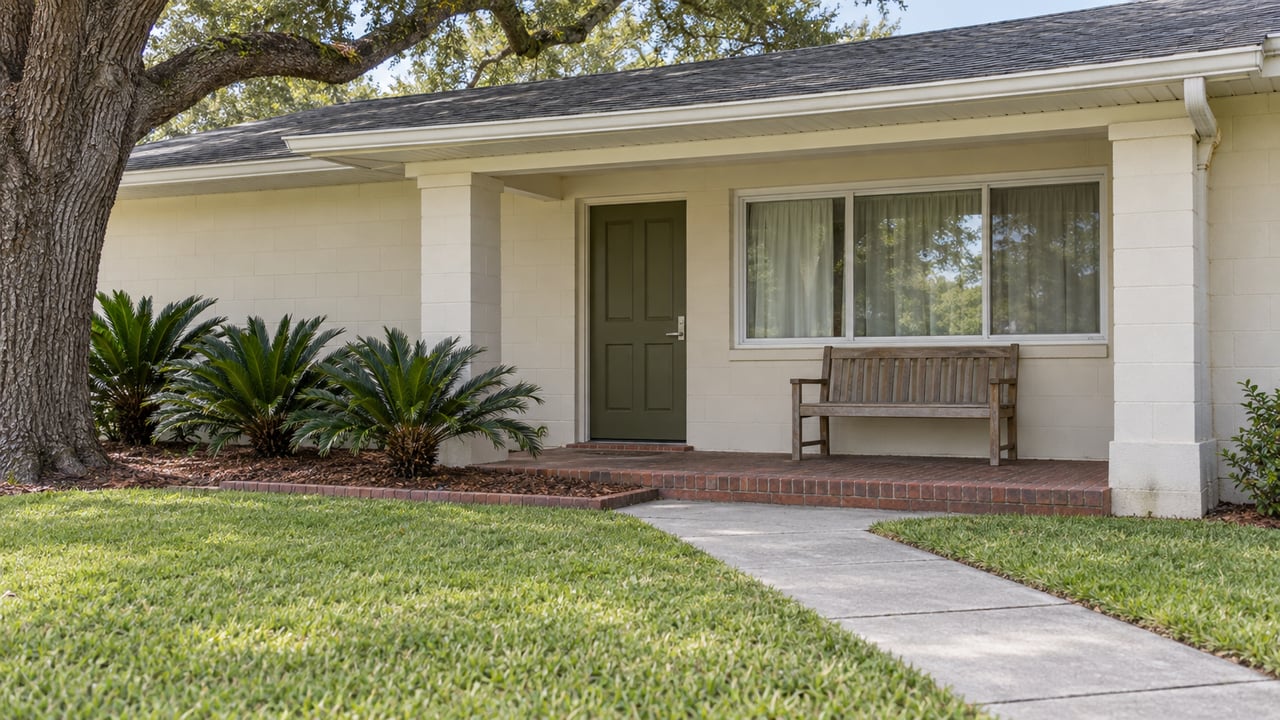
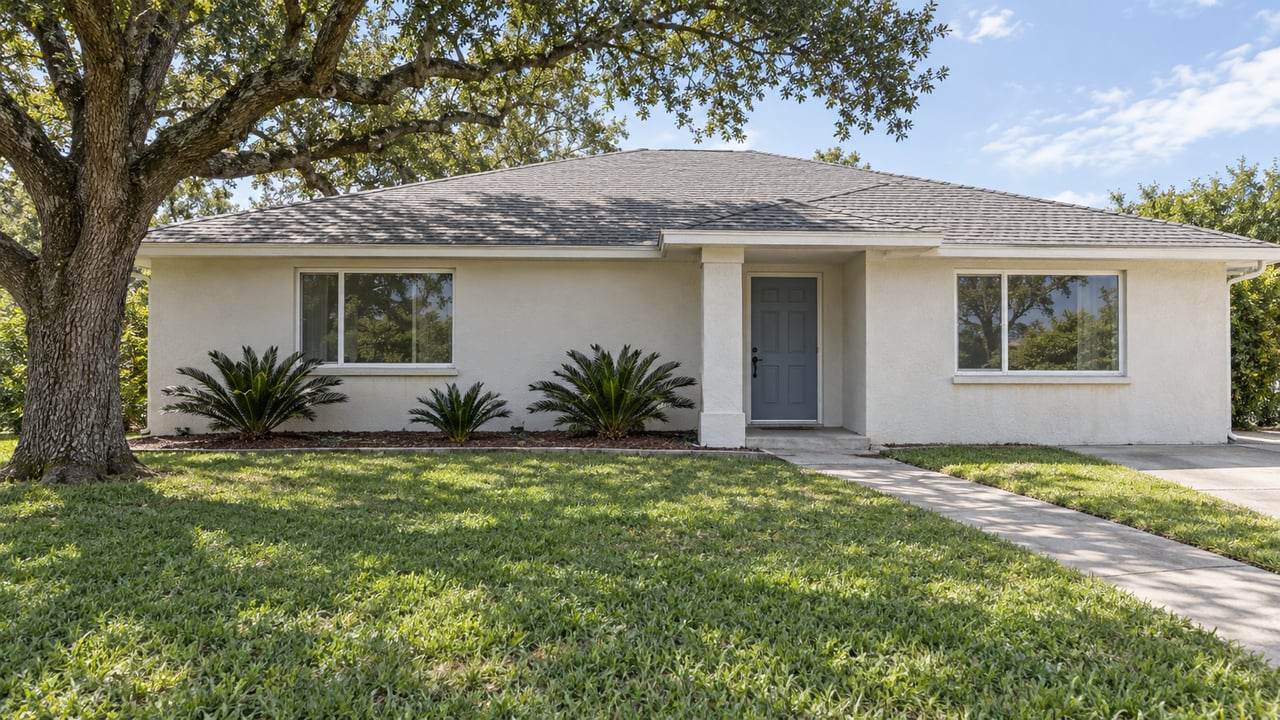
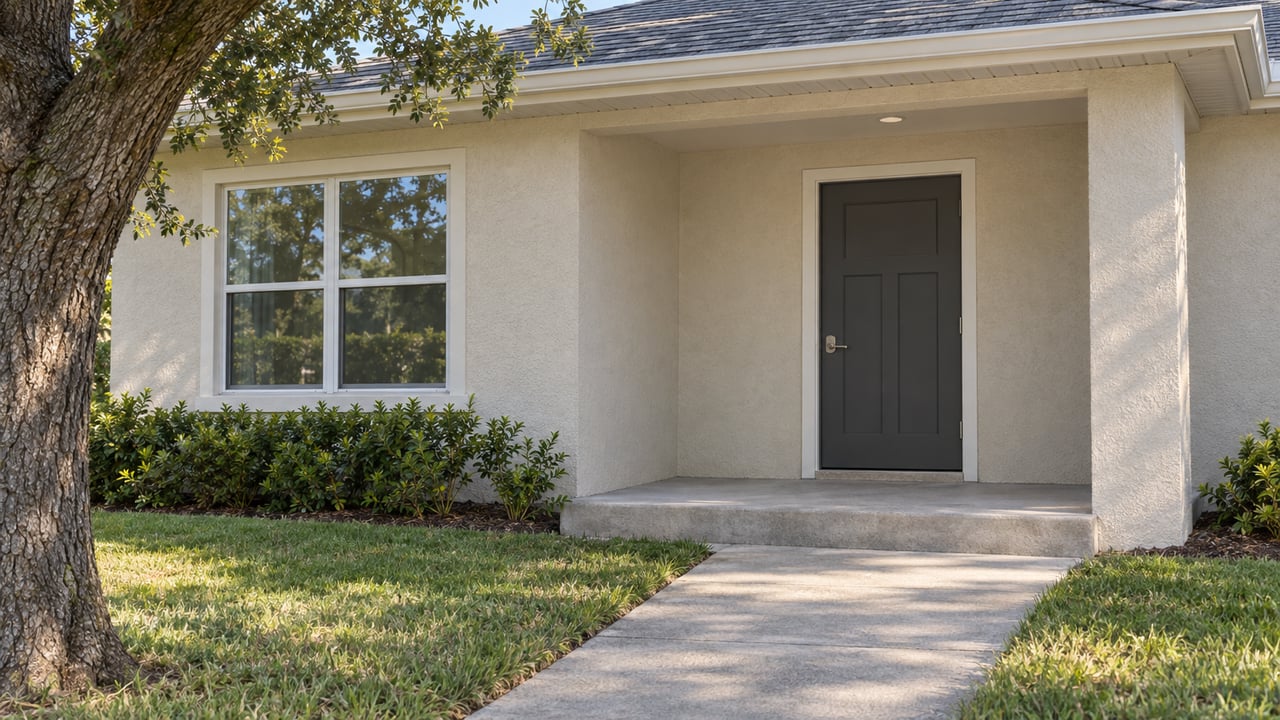
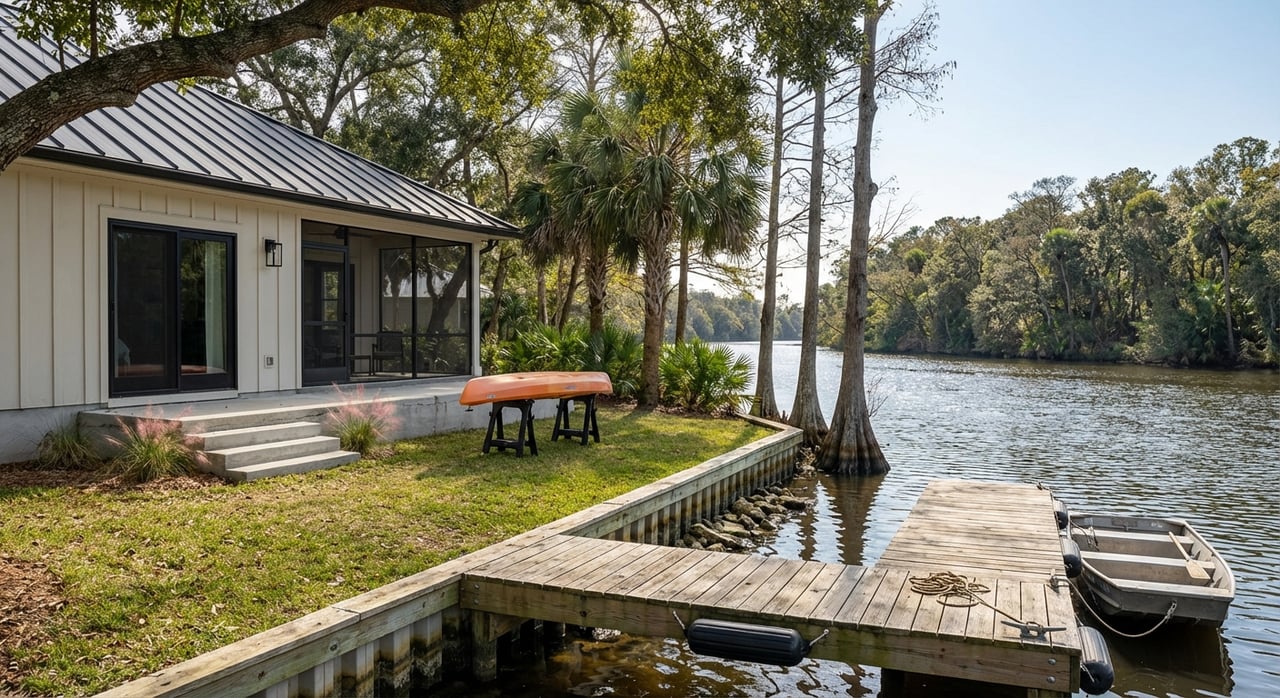
You’ll find an appealing mix of properties along and near the rivers. Options range from modest mid‑century cottages and ranch homes to renovated river cottages with private docks, and larger two‑story estates with long frontage and open views. Neighborhoods such as Blue Cove and Rio Vista, along with some downtown parcels, often have private or community river access. Many homes feature screened lanais, covered porches, and docks or lifts designed around low‑maintenance river living. New construction exists, but many buyers choose to renovate older waterfront homes due to limited turn‑key inventory.
Pricing varies widely with frontage, view, depth to navigable water, and condition. Smaller cottages and canal‑adjacent homes may sit in the mid‑$200s to $700s, while large riverfront estates can reach seven figures. Inventory for true riverfront lots is limited, so expect competition for properties with direct frontage and quality docks. For up‑to‑date pricing, rely on live MLS data and recent local sales.
Utilities and septic
Dunnellon and nearby unincorporated areas include a mix of public water/sewer and parcels on private well and septic. Older or more rural river properties are more likely to rely on well and septic systems. When you tour, confirm utility service on a parcel‑by‑parcel basis and plan for a septic inspection and well test if applicable.
Flood risk and insurance
Many low‑lying river parcels fall within FEMA flood zones. If a structure is in a Special Flood Hazard Area, federally regulated lenders typically require flood insurance. Before you make an offer, pull the property’s FEMA panel, confirm Base Flood Elevation, and understand how the home’s elevation compares. Start insurance quotes early and compare National Flood Insurance Program policies with private‑market options. For a primer on reading maps and panels, see FEMA’s training on finding FIRM data.
Docks, lifts, and shoreline rules
If you plan to build or modify a dock, lift, or seawall, permits are often required. Florida statutes and water‑management district rules govern activities in surface waters, and the state discourages vertical seawalls except under specific conditions. Confirm whether an existing dock is properly permitted and deeded to the property, and whether any community or HOA rules affect your plans. Start early with county permitting and the appropriate water‑management district. Review the framework in Florida Statutes, Chapter 373.
Ongoing costs to budget
Owning riverfront means a few extra line items in your annual budget. Common costs include:
- Dock, lift, and decking repairs or replacement.
- Bank stabilization or erosion control where permitted.
- Septic pump‑outs and well maintenance if the property is not on public utilities.
- Flood insurance premiums if in a mapped flood zone, plus any flood‑resilient upgrades.
Is Dunnellon the right fit?
Who loves this market
Dunnellon is ideal if you want spring‑clear water, quiet streets, and a laid‑back rhythm. You can paddle or snorkel on the Rainbow, fish the Withlacoochee, and still be close to Ocala‑area services. Seasonal visitation picks up on the Rainbow during tubing season, especially on weekends, but many residents appreciate the midweek calm and shoulder‑season serenity.
When another water town fits better
If your top priority is reliable, high‑season manatee viewing with a robust tour infrastructure, nearby Crystal River is the more consistent choice. See this traveler’s guide to where and when to see manatees in Florida. If you prefer a spring setting tied closely to a larger urban center, Silver Springs and Ocala offer glass‑bottom boats, paddling, and big‑town conveniences. Your best match comes down to how you use the water and which community rhythm you prefer.
Buyer checklist for Dunnellon riverfront
Use this quick due diligence list as you compare properties:
- Confirm FEMA flood zone, Base Flood Elevation, and whether your lender will require flood insurance. Start quotes early. Reference FEMA’s guide to locating FIRM panels.
- Verify utility type: public water/sewer or private well/septic. Order a septic inspection and well test if applicable.
- Check dock, lift, seawall, or dredging permits. Ensure structures are permitted and transferrable. Review Chapter 373 permitting framework and coordinate with county staff.
- Request a current survey showing waterfront boundaries and any recorded riparian rights, access easements, or shared facilities.
- Inspect shoreline condition and ask about recent erosion, bank stabilization, or aquatic vegetation issues. The SWFWMD Rainbow River resource is a good overview of water‑quality context.
- Clarify HOA or community rules for docks, guest parking, and visitor limits.
- Know your nearest public access points and typical peak times. Start with KP Hole County Park and the City of Dunnellon boat ramp facility.
- Review tubing season calendars and rules if you will host visitors. See Tubing Rainbow River.
Ready to tour riverfront homes?
If Dunnellon’s mix of spring‑clear water, great fishing, and small‑town ease speaks to you, partner with a local advisor who knows the neighborhoods, docks, and permitting nuances. As an Ocala‑based specialist serving Marion and Citrus Counties with Engel & Völkers resources, Tamara Myers offers buyer representation, relocation guidance, and clear, step‑by‑step support from search to close. Reach out to discuss your goals, compare river sections, and see what’s coming soon along the Rainbow and Withlacoochee.
FAQs
What’s the difference between the Rainbow and Withlacoochee for daily use?
- The Rainbow is spring‑clear and popular for tubing, snorkeling, and paddling; the Withlacoochee is larger, tannic, and better for small motorboats and freshwater fishing.
Are manatees a regular sight in Dunnellon’s rivers?
- Manatees may appear in colder months, but Dunnellon is not a reliable, year‑round viewing area; Crystal River offers more consistent manatee encounters.
Where can you launch a boat or tube in Dunnellon?
- KP Hole County Park serves as a major put‑in, the city’s riverfront ramp is convenient near downtown, and Blue Run is a common tuber take‑out.
Do you need flood insurance on riverfront homes in Dunnellon?
- If a structure sits in a FEMA Special Flood Hazard Area, lenders typically require flood insurance; verify the zone and elevation before you buy.
What permits do you need to build or modify a dock?
- Most dock, lift, or seawall work requires permits through the state and water‑management district; confirm existing approvals and start early with county staff.
What types of riverfront homes are common in Dunnellon?
- You’ll see mid‑century cottages, renovated river homes with docks, and larger estates; many have screened lanais, raised porches, and practical waterfront features.