Thinking about selling your Beverly Hills home but unsure which month will attract the most buyers? In Citrus County, timing truly matters because seasonal residents boost traffic at certain times of year. When you understand how snowbird season and Florida’s weather patterns affect showings and offers, you can plan a smoother sale and stronger price. In this guide, you’ll learn the best listing windows for Beverly Hills, FL, plus a simple prep timeline to hit peak demand. Let’s dive in.
Why timing matters in Beverly Hills, FL
Beverly Hills attracts many retirees, second‑home shoppers, and out‑of‑state buyers who spend part of the year in Florida. That means the typical spring school‑move cycle is less dominant here than in family‑heavy suburbs. Local inventory often includes single‑family homes, manufactured homes, and properties on larger lots that appeal to buyers seeking affordability and a quieter lifestyle.
Because the buyer mix is different, your timing strategy should focus on when seasonal residents are in town and ready to tour in person. Listing when they arrive can lead to more weekday showings, faster decisions, and stronger attendance at open houses.
Seasonal buyer patterns in Citrus County
Winter snowbird window (Nov–Apr)
From November through April, seasonal residents increase buyer traffic and in‑market searches. Many have flexible schedules, so you will see more weekday showings and quicker decisions. In‑person open houses tend to draw better turnout during these months.
Spring overlap (Mar–May)
March through May blends lingering snowbird demand with traditional spring buyers. This can be a sweet spot if you prefer to avoid the holiday season but still want strong foot traffic. You may also face more competing listings, so preparation and presentation matter.
Summer and early fall (Jun–Oct)
Summer often slows in retiree‑heavy areas due to heat, travel plans, and fewer seasonal residents. Families who need to move before school starts may be active in June and July, but that is a smaller slice of the Beverly Hills buyer pool. Early fall can be quieter because peak hurricane season raises weather and insurance concerns.
Inventory and competition
In smaller markets like Citrus County, a few new listings can shift supply quickly. That makes timing more sensitive. If several similar homes hit the market at once, buyers become more price‑aware, so watch new comps closely as you approach your target list date.
Best months to list your home
Late October to March: primary window
This is the top choice for most Beverly Hills sellers because seasonal residents are in town and ready to tour. You can expect more weekday showings and better open house attendance. If your home is move‑in ready, you may capture premiums from lifestyle buyers looking for low‑maintenance living.
March to early May: strong secondary window
If you need extra time to prepare, aim for an early spring debut. You will still benefit from snowbirds who have not departed yet, plus traditional spring buyers. This window balances visibility with milder weather and steady traffic.
Late May to July: targeted alternative
This period can work if your home appeals to local owner‑occupants and families on summer schedules. Expect fewer seasonal buyers and adjust pricing and marketing to match the audience. Presentation still matters, but activity may concentrate on weekends and evenings.
Periods to avoid if possible
Try to avoid the peak heat of July and August and the late summer to early fall stretch when hurricane risk is top of mind. Showings and offers can slow, and buyers may scrutinize inspections and insurance more carefully. If your timeline requires listing then, plan for strong virtual marketing and clear documentation.
Pricing and marketing for snowbird season
When seasonal residents are in town, you can usually hold a firmer pricing stance, as long as you track competing listings in real time. Buyers shopping for retirement or a second home often prioritize move‑in ready properties with low maintenance. Simple updates and clear disclosures help justify price and speed decisions.
To align with snowbird behavior:
- Prepare high‑quality photos, a 3D tour, and a clear floor plan to serve both in‑person and remote buyers.
- Start targeted marketing just before arrivals in late October and keep momentum through March.
- Offer both weekend open houses and weekday appointment windows to capture flexible schedules.
- Provide concise property highlights and utility information so out‑of‑state buyers can compare quickly.
Your 8–12 week pre‑listing timeline
You can complete routine prep in 4–8 weeks, but allow 8–12 or more if major repairs are needed. Use this timeline if you want to debut during the late October to March window or the spring overlap.
10–12 weeks out: plan and schedule
- Meet with a local agent to review market trends and set a target list date.
- Gather key documents: deed, HOA or condo documents if applicable, property tax info, utility data, and any prior appraisals or comps.
- Schedule contractors early for larger items such as roof, HVAC, septic, or pool work.
- Evaluate staging needs and request estimates if professional staging is a fit.
6–8 weeks out: complete essential repairs
- Address items that affect buyer confidence or financing, including roof leaks, electrical safety, and HVAC servicing.
- Treat for termites or pests and keep any reports on file.
- If applicable, check septic condition and arrange pumping or inspection, or compile maintenance records.
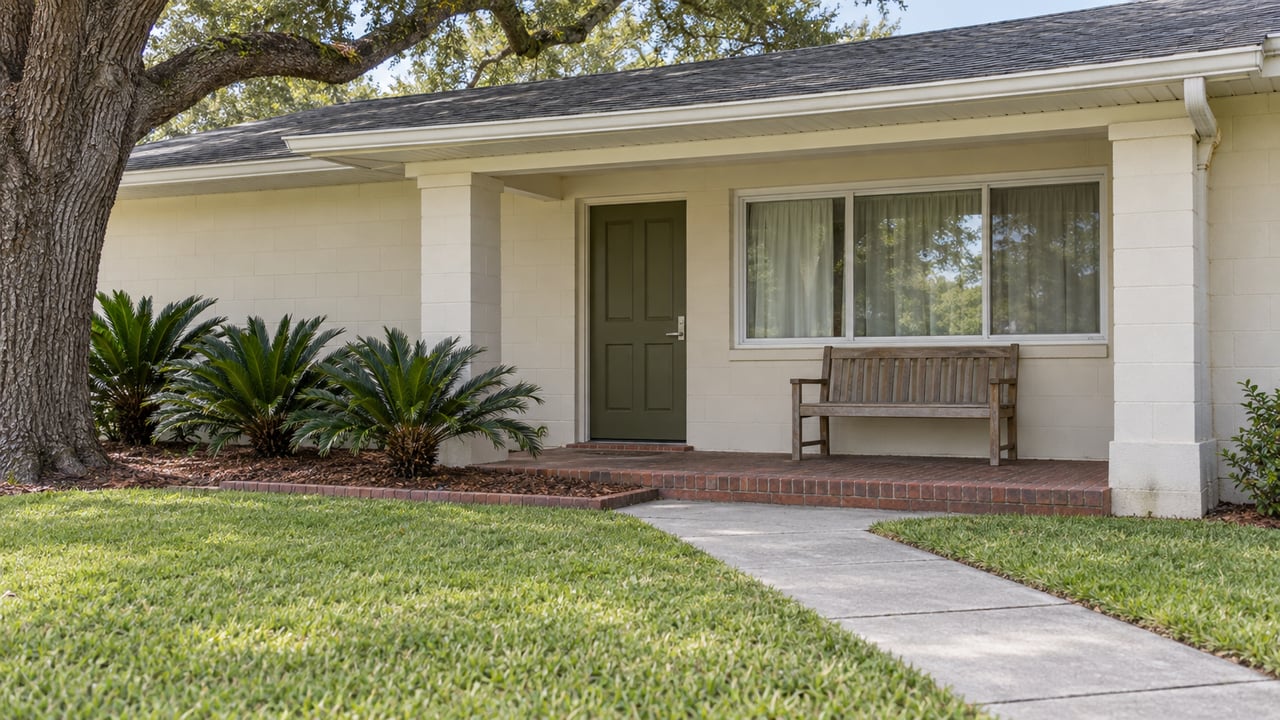
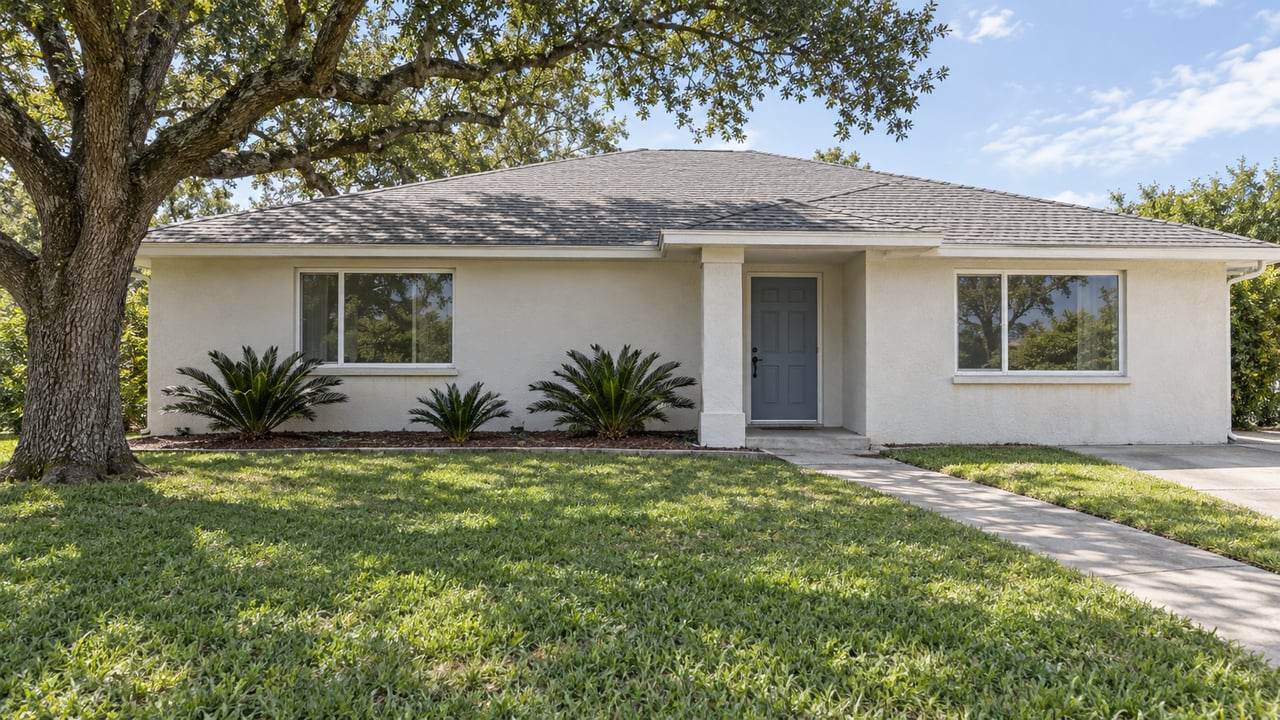
- Boost curb appeal with landscaping cleanup, fresh mulch, trimmed hedges, pressure washing, and a refreshed front door if needed.
3–4 weeks out: stage and pre‑inspect
- Tackle cosmetic updates such as paint touch‑ups, new cabinet hardware, and minor flooring repairs.
- Deep clean, declutter, and remove personal photos to create a neutral look.
- Stage key rooms or arrange partial staging to highlight flow and function.
- Consider a pre‑listing inspection, plus targeted checks for roof, HVAC, termite, or septic as appropriate. Pre‑inspections reassure remote buyers and speed negotiations.
- Collect recent utility bills and maintenance records to share with buyers.
1–2 weeks out: finalize marketing
- Book a professional photographer and a videographer for a 3D or virtual tour.
- Create a clear floor plan and a property highlights sheet that includes lot size, year built, key updates, and relevant system details.
- Do a final walkthrough and schedule cleaning the day before photos and again before showings begin.
Listing week: launch tactics
- Go live mid‑week, often Thursday, to maximize weekend search exposure.
- Launch with full media: pro photos, 3D tour, floor plan, and a concise description that highlights single‑level living, low maintenance, community amenities, and proximity to services when applicable.
- Offer open houses the first weekend and keep weekday daytime slots available for snowbird schedules.
- Be ready to respond quickly to showing requests and early interest.
Showings, offers, and logistics
Weekday access during winter
Seasonal residents often tour on weekdays. Keep the home show‑ready with a comfortable indoor temperature, tidy exterior, and clean pool if applicable. Quick approval for showing requests helps convert interest into offers.
Offer strategy and timing
During high‑traffic weeks, consider a short offer review period to maintain momentum, while staying aligned with local norms. Emphasize move‑in readiness and share recent inspection reports or repair receipts to support value. Monitor new competing listings and adjust as needed.
Remote buyers and documentation
Out‑of‑state buyers lean on virtual tours and clear documentation. Provide digital disclosures, inspection reports, HOA documents, survey if available, and recent utility bills. Offer live virtual showings to accommodate time zones and decision timelines.
Insurance and financing notes
Buyers and lenders will look at insurance, roof condition, and any flood zone details. Transparency about roof age, HVAC service, and current insurance costs reduces friction. Many retiree buyers use cash, but financed offers will depend on clean inspection outcomes and clear title.
Putting it all together
If you want to catch the first wave of snowbirds, plan to list in late October or November. Count backward 8–12 weeks to schedule repairs, staging, and marketing assets. If spring is a better fit for your schedule, aim for March or April and start prep in January or early February.
If your timeline points to early summer, focus on local buyers and make pricing and marketing adjustments. Whatever your window, a well‑prepared home with clear documentation, strong visuals, and flexible showings is the formula for a smooth sale in Beverly Hills.
Ready to map the best list date for your property and present it with premium marketing reach across Citrus and neighboring counties? Connect with Tamara Myers for local guidance backed by elevated exposure. Get Your Instant Home Valuation.
FAQs
What is the best month to sell a home in Beverly Hills, FL?
- There is no single perfect month, but late October to November targets snowbird arrivals, while February to March captures both seasonal and spring buyers.
How far in advance should I prepare my Beverly Hills home to sell?
- Plan on 4–8 weeks for routine prep and 8–12 or more if major repairs or renovations are needed.
Should I get a pre‑listing inspection for a Citrus County sale?
- Yes. Pre‑inspections help remote and local buyers feel confident, reduce negotiation friction, and can speed closing timelines.
How do I attract snowbird buyers who are not in town yet?
- Use pro photos, a 3D or virtual tour, floor plans, and targeted digital marketing before and during snowbird season, and offer live virtual showings.
Do hurricane season and insurance concerns affect selling in Beverly Hills?
- They can slow activity and increase caution. Be transparent about roof and HVAC condition, flood or insurance details if relevant, and recent maintenance to reassure buyers.